The speed-to-power movement is driving decision-making in the data center industry as it searches for near-term solutions to its power supply needs. The inability of many utilities and wholesale market control areas to bring new capacity on-line in a timely manner has prompted the majority of data centers to go behind-the-meter (BTM) and create microgrids and other forms of on-site power.
Though some data centers are turning to restarting previously shuttered nuclear plants or a mix of renewables and, increasingly, batteries, the vast majority are turning to natural gas generators. But there is a hidden danger lurking beneath the surface, which could sabotage the “speed to power” rationale behind on-site generators.
The Big Picture on Data Centers and Natural Gas
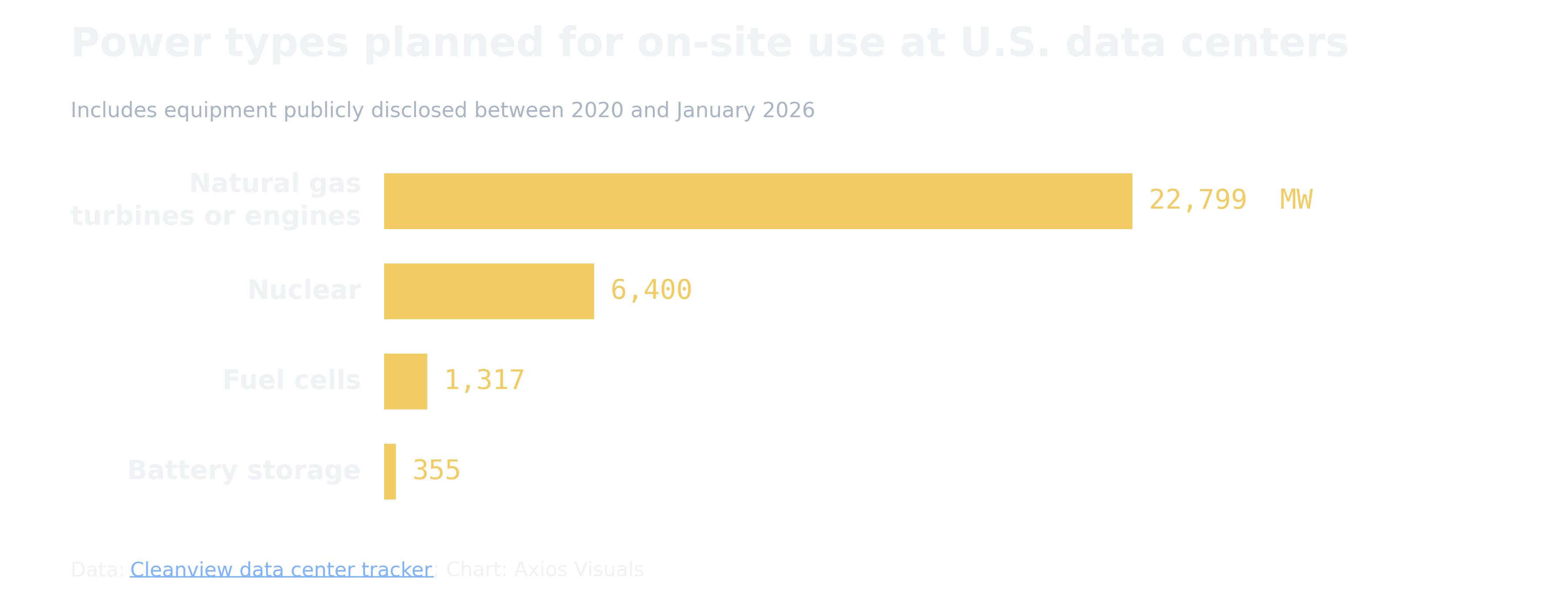
The forecasted growth in natural gas capacity dwarfs all other resource options being deployed for data centers. At present, natural gas is expected to meet roughly 75% of data center-related load growth in the U.S., according to Axios. Market statistics such as these help explain why companies such as ERock, which has deployed approximately 1,000 MW of microgrids fueled by natural gas, issued an IPO last month based on a $1.3 billion data center order backlog.
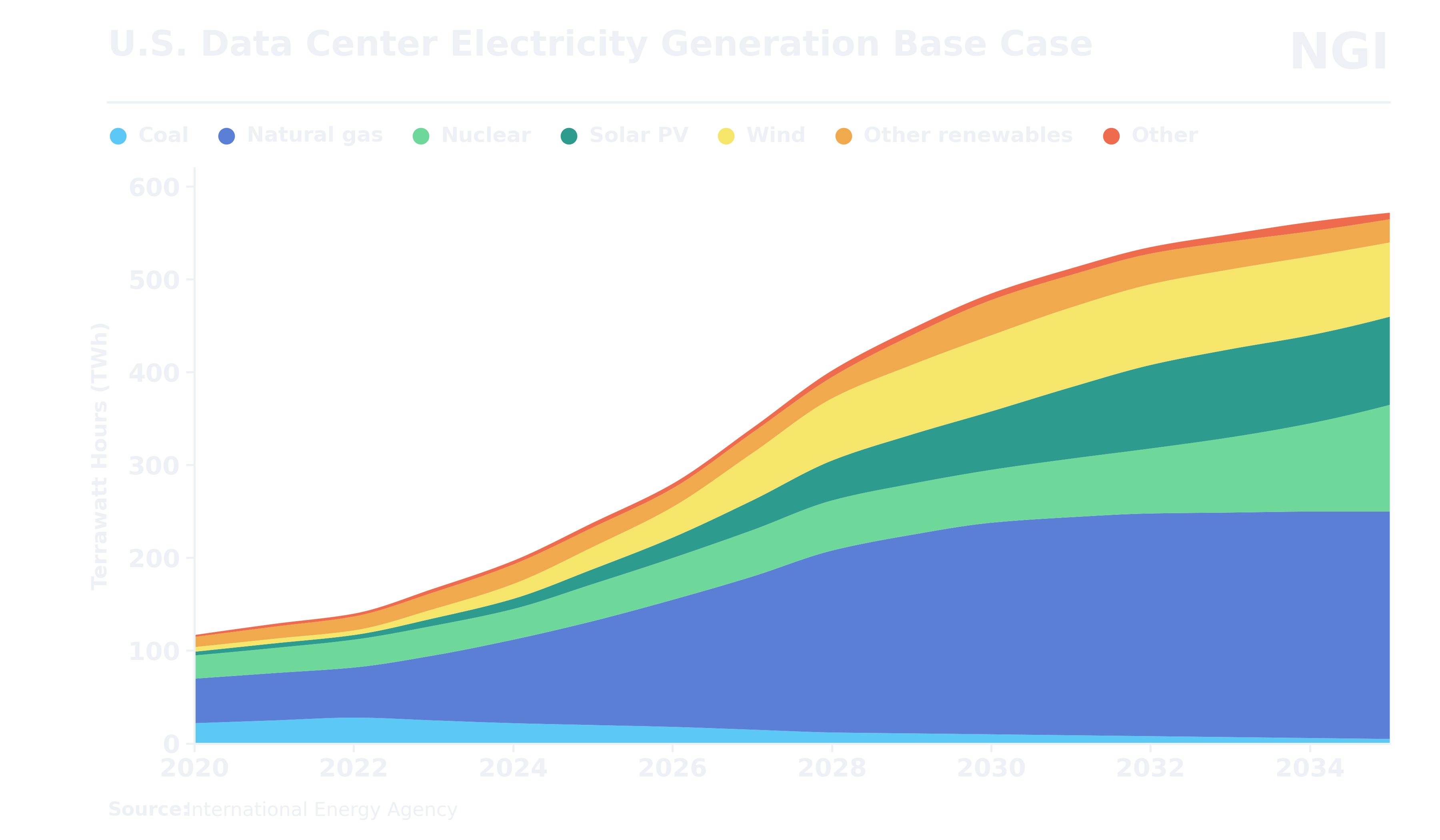
Other options, including small modular reactors, batteries, and renewables (and even coal plants), are expected to be called upon to support data center growth over time. International Energy Agency (IEA) projections show that natural gas captures an ever increasing portion of new data center generating capacity until 2030, when, as the chart below highlights, its market share for data centers plateaus.
Gas turbines are the preferred technology, according to credible sources such as Bloomberg (see chart below from RBC and report link below), and Texas is leading the way among U.S. states with new BTM natural gas capacity.
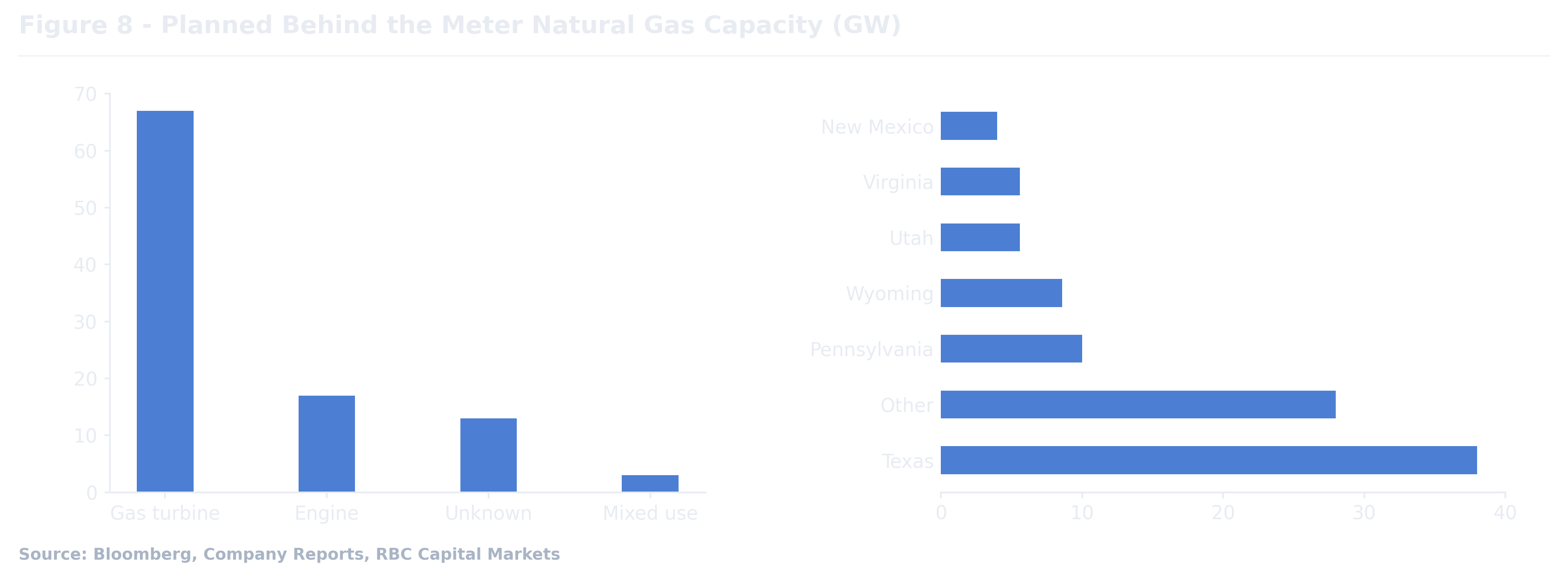
All told, data center developers in the U.S. have announced over 100 GW of BTM on-site natural gas generation to bypass utility interconnection bottlenecks and secure reliable baseload power, according to RBC.
The rush to gas is the path most have chosen to bring data centers online to meet the surging demand for generative AI services, but there is another small - maybe not so small - problem: the stress placed on natural gas generators from the millisecond “spikey” demand patterns linked to processing AI loads. The impact on generators can be costly. Assets that were assumed to perform for 20 years or more instead fail after just a couple of years. Siemens has reported this fact, which is a major liability for the majority of data centers leaning into on-site natural gas generation today. The reason these AI load spikes cause generators to fail is that they cause mechanical oscillations, which degrade and ultimately break components.
The impact on generators can be costly. Assets that were assumed to perform for 20 years or more instead fail after just a couple of years.
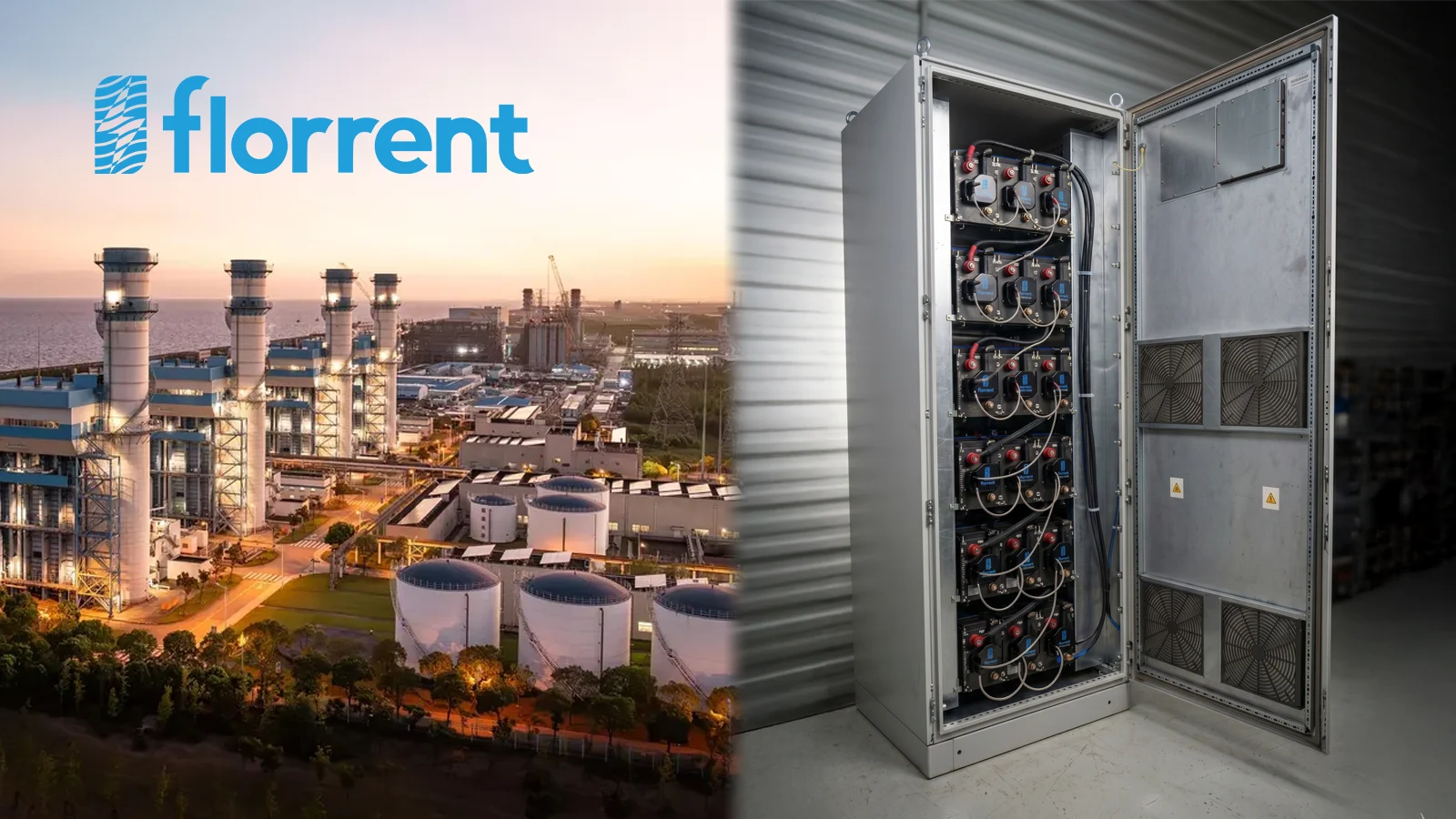
The prudent move? Pair natural gas generators with florrent supercapacitors. They can be installed in the yard, grey space or white space in data centers to mitigate AI processing load fluctuations. Already, fuel cell companies such as Bloom Energy are looking to install supercapacitors to pair with their technology for data center clients since fuel cells are notoriously fickle when it comes to frequency deviations. (See diagram below.) Less well known to the data center industry is this vulnerability that could impact the vast majority of data centers coming on-line today.
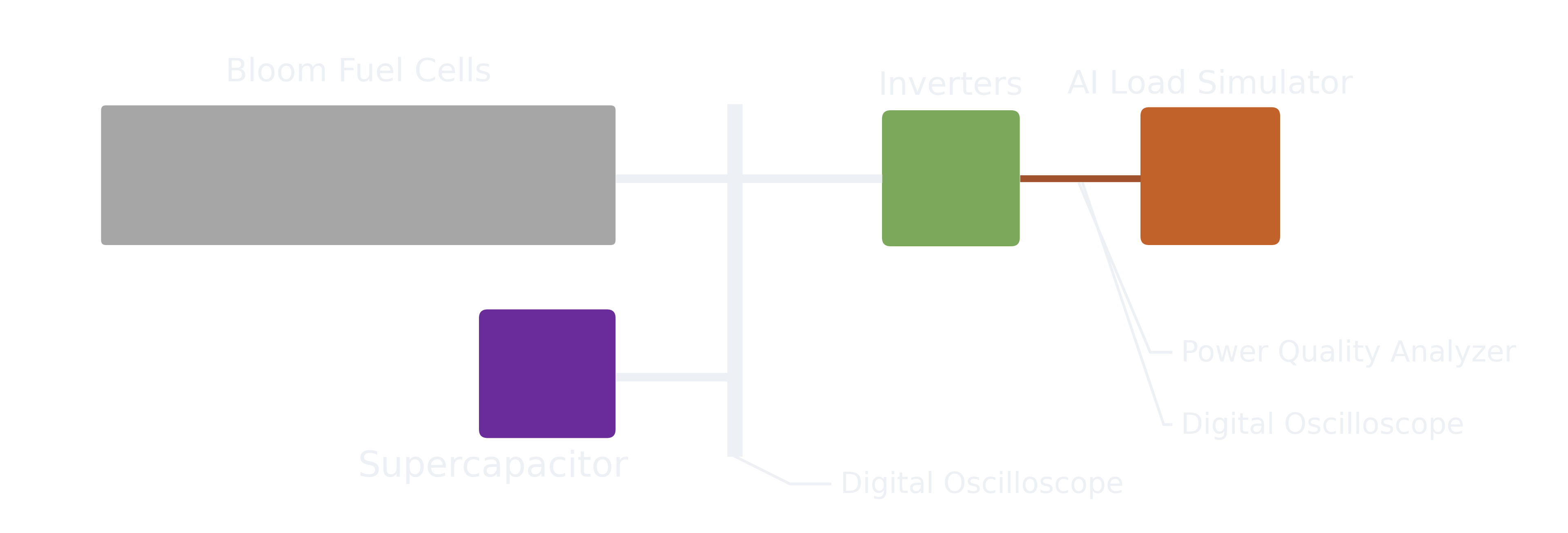
Supercapacitors are adept at near-instantaneous bursts of power to smooth out load gyrations that can wreak havoc with power generation equipment. Since the florrent technology is sourced from domestic waste streams and manufactured in the U.S., it can be viewed as a way to maximize economic and environmental benefits locally. In addition, US-sourced supercapacitors enjoy additional tax benefits – up to 10% – that most other suppliers cannot provide.
If indeed a large share of natural gas generators fail over the next few years, supply chain issues with purchasing new generators may compromise the ability of data centers to deliver the AI services the market is seeking right now. Failures would also increase the capital costs attached to on-site power solutions, especially if failures occur on a regular basis. It could take several years for turbine and other generator companies to replace equipment. The delays could be similar to the long wait times for utility interconnections, negating the benefits of onsite generation. Already, reports suggest a 5-year wait for replacement gas turbines, and their capital costs are increasing, too, due to market demand. These developments could clearly thwart the current obsession with “speed to power” solutions for data centers.
Similar issues of early failures with lithium-ion batteries have also been circulating. One of our upcoming articles will address the additional risks tied to a sole reliance upon this form of energy storage to buffer AI spikes in power infrastructure demand, with an even wider range of negative impacts.
To learn how florrent supercapacitors can lower reliance on frequently replaced lithium-ion and generator systems, as well as protect on-prem generation assets, uptime, compute availability, and usable facility capacity, please reach out to the florrent sales team at sales@florrent.com


