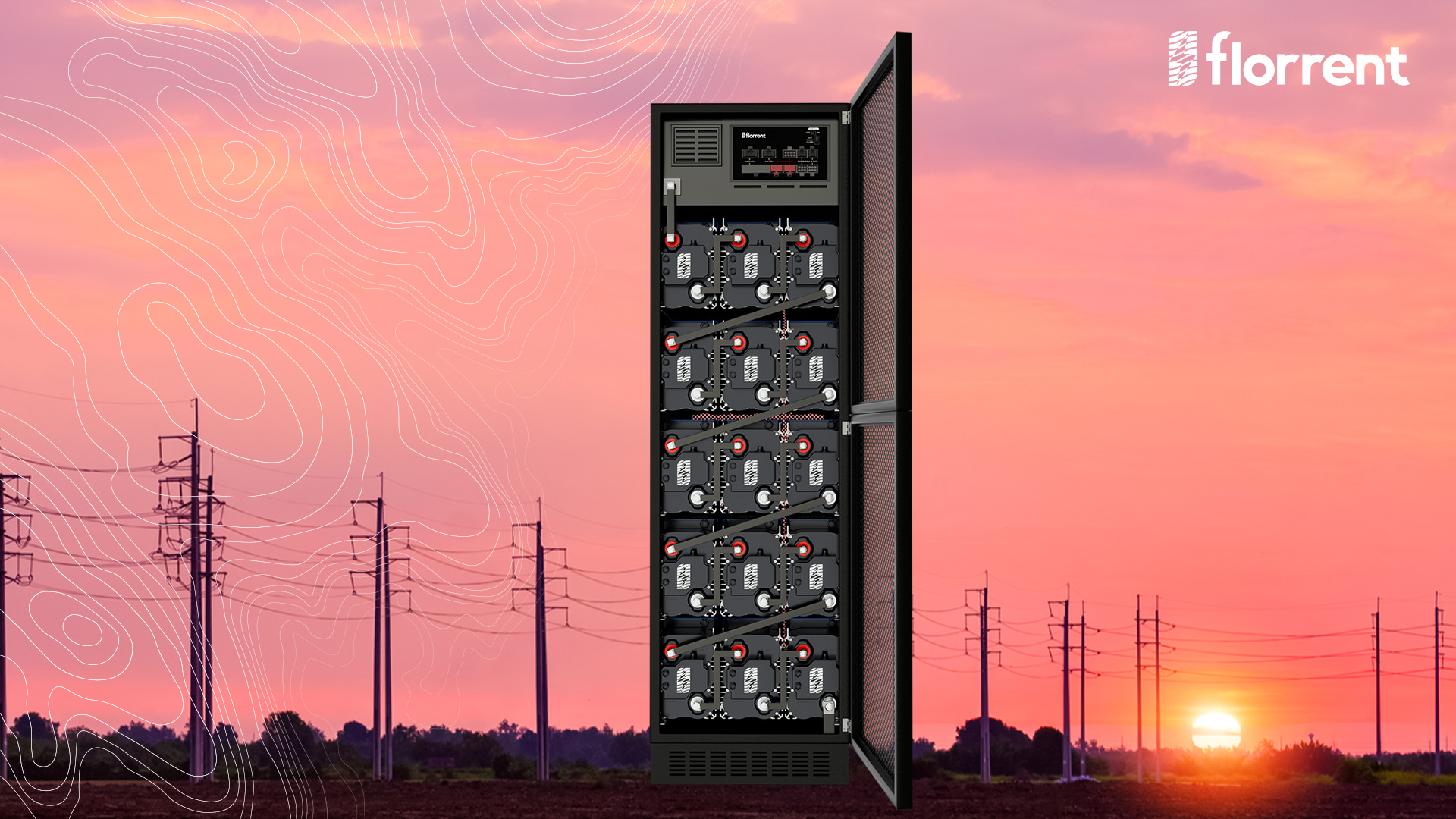
We are in the midst of a truly once-in-a-lifetime transformation to our electrical grid, and through that, how we generate, transmit, and consume energy as a society. Reports continue to project the staggering load growth coming online in the next few years, primarily driven by AI data centers, and these changes necessitate massive investment into grid infrastructure, which means unprecedented market opportunity for supercapacitor solutions.

This map, produced by NLR (formerly NREL), illustrates the geospatial relationships between data center locations, transmission infrastructure, fiber optic networks, rural, and metropolitan areas. Dense hubs are forming, especially in places like "Data Center Alley" in Virginia, and each of these hubs can demand as much energy as a city such as Boston or Dallas.
The incredible energy demands of these developments are why the US anticipates a 16% surge in total electricity demand in the next 5 years at a CAGR of 3.6% (IEA), after 15 years of nearly stagnant load growth. The loads these AI data centers require are unlike most other loads, as they are extremely volatile and can cycle thousands of times a day in extreme cases. These intense demands can burn out standalone Li-ion battery systems in a matter of months, but are a perfect fit for high-energy-density supercapacitors like florrent's, with immediate response times and cycle lifetimes in the millions.

All of this load growth has a cost, though, and most utilities around the country are not prepared to meet these new demands. The map above by NERC shows which regions are at the greatest risk of not being able to keep up with energy needs in the next few years, with most of North America at least at elevated risk.
In many cases, it will be the neighborhoods and residential consumers that are most impacted by these data center developments. Roughly 1 in 100 people in the US will live within 50 miles of data centers and face increased power quality and reliability issues, including risk of electrical fires and accelerated degradation of home appliances. This means not only higher costs for those appliances, but most likely higher rates on the energy itself unless utilities are able to course-correct pricing models with hyperscalers.
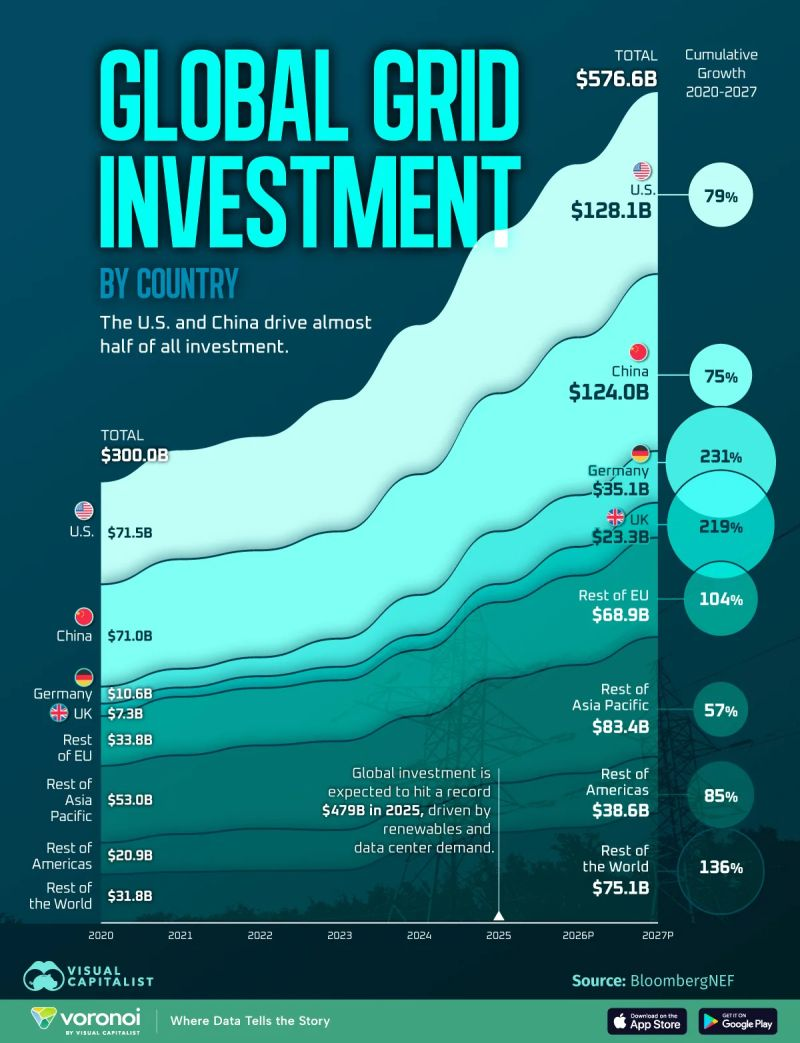
Monumental investment in energy infrastructure is required to address this, not only in the US, but all over the world, with global grid investment projected to be nearly $580B next year. This investment is a combination of public and private, and is funding a whole spectrum of grid-connected technologies.
The need for energy storage, especially high-power/short-duration energy storage like supercapacitors, is increasingly being utilized to help grid planning try to keep pace with these rapidly growing grid stressors.

Data centers aren't waiting for these investments, though, as some can take years to become available (current interconnection queues are running up to 7 years), and the speed at which these developers are moving to capture market share is dizzying. Instead of waiting, they're going behind-the-meter (BTM) to get online faster, and many of these projects are relying on natural gas and generators.
We've heard of cases where a single data center could have 50-100 diesel generators on site, and every time they start up, it sends ripples through nearby neighborhoods. Not only do these generators create power quality issues on site for the data center, but also for the rest of the energy users in the area.
And the power quality for these sites matters immensely. A single outage can cost $9K to $2.4M per minute on average (Ponemon), with extreme cases costing even more. This is why investment into critical infrastructure, including supercapacitors, is essential for these developers, and the ROI is unmistakable.
florrent supercapacitor solutions can help data centers improve power quality and reliability by providing near-instantaneous power delivery, managing high-frequency load fluctuations, and enabling effective peak shaving, particularly for AI-driven, high-density workloads. Unlike chemical batteries (Lli-ion), florrent's technology operates electrostatically using biomass-derived Contoured Carbon™, allowing it to address these demands in a way that contributes to the safety and well-being of the people and planet around them.
florrent's supercapacitors can serve as a necessary layer of protection in AI data centers, acting as electrical "shock absorbers" that complement traditional battery systems to ensure uninterrupted power and long-term sustainability, rather than replace them.
Contact Us!
Our expert team is prepared to learn about your power stabilization needs and create a system sizing to assess if our solution is a technical and economic fit.


